
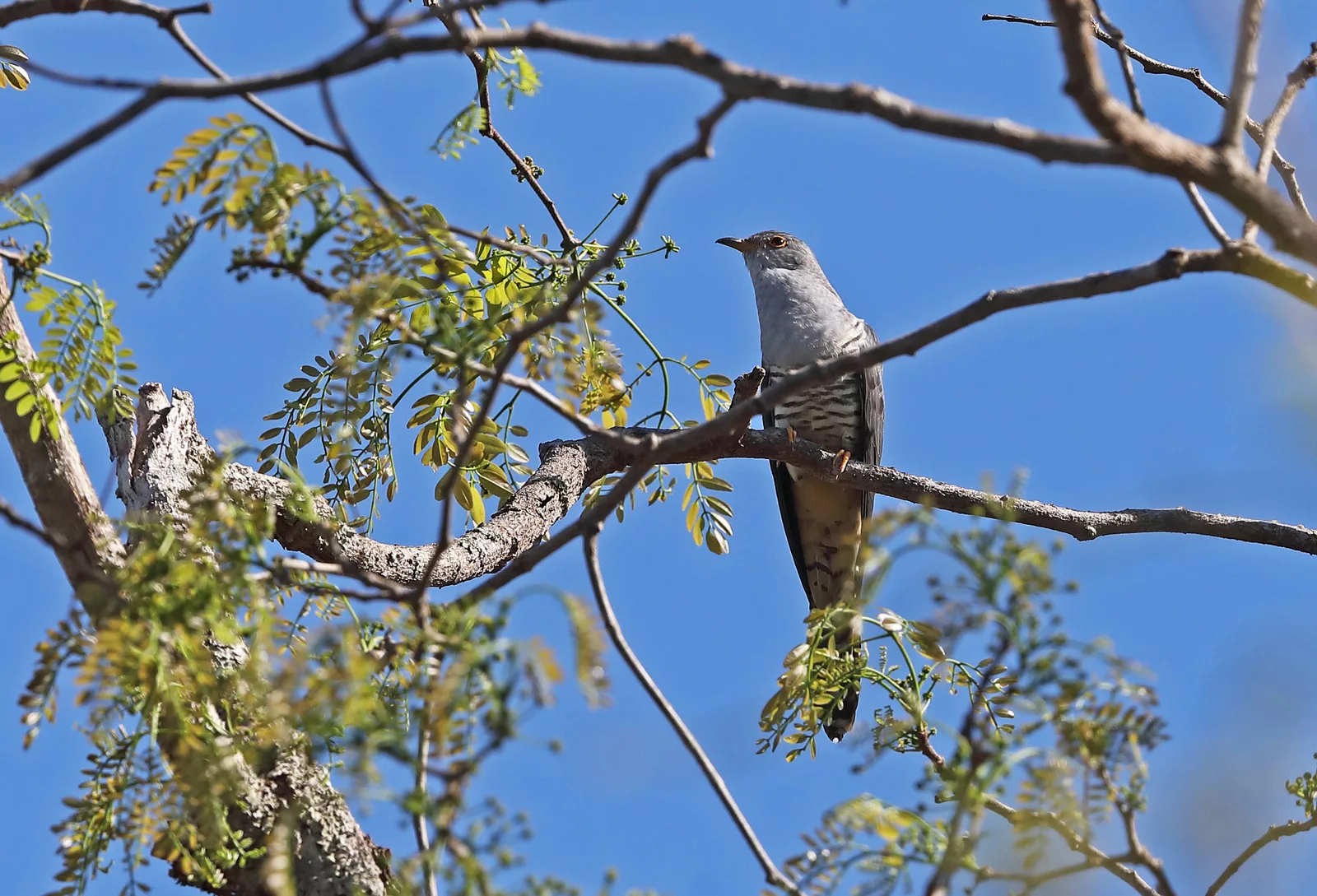


Birdwatching Tours
Madagascar has been considered by birdwatchers as one of the amazing places to observe uncommon birds for its avifauna that holds 285 different species, in which 127 are endemic. There are probably more to be discovered and there are many places that have never been explored for birds. Almost all the bird species of Madagascar are threatened due to the degradation of their habitat. This birding tour leads you to amazing rainforests and marshes, deciduous and spiny forests, which are no more a secret for you. The best time to see birds in Madagascar is during the breeding season from September to January. Our team is pleased to organize to you a tailor-made tour corresponding on your time and budget.
Description
This birding tour leads you to amazing rainforests and marshes, deciduous and spiny forests, which are no more a
secret for you. The best time to see birds in Madagascar is during the breeding season from September to January.
– The eastern evergreen humid forest allows seeing Pitta-like and Scaly Ground Rollers, Red-fronted and Blue
Couas, Chabert’s and White-headed Vangas, Scops Owl and Collared Nightjars, the most spectacular and
rare Helmet Vanga
– In the western dry deciduous forest of we meet Van Dam’s Vanga, Schlegel’s Asity, White-breasted Mesite,
Madagascar Crested Ibis.
– The boundary zone between western and southern vegetation domain is home to Appert’s Greenbul, Sickle
billed Vanga, and Giant Coua, Cuckoo Roller and White-browed Owl.
– The southern deciduous dry forest holds Sub desert Mesite and Long-tailed Ground Roller, Verreaux’s Coua.
– In the last vestiges of the highland you can find France’s Sparrow Hawk, Malachite Kingfisher, Madagascar
White Eye Madagascar Red Fody and Malagasy Pond Heron.
Many other animals like lemurs, chameleons, frogs and snakes can also be found during this tour.
Itinéraire
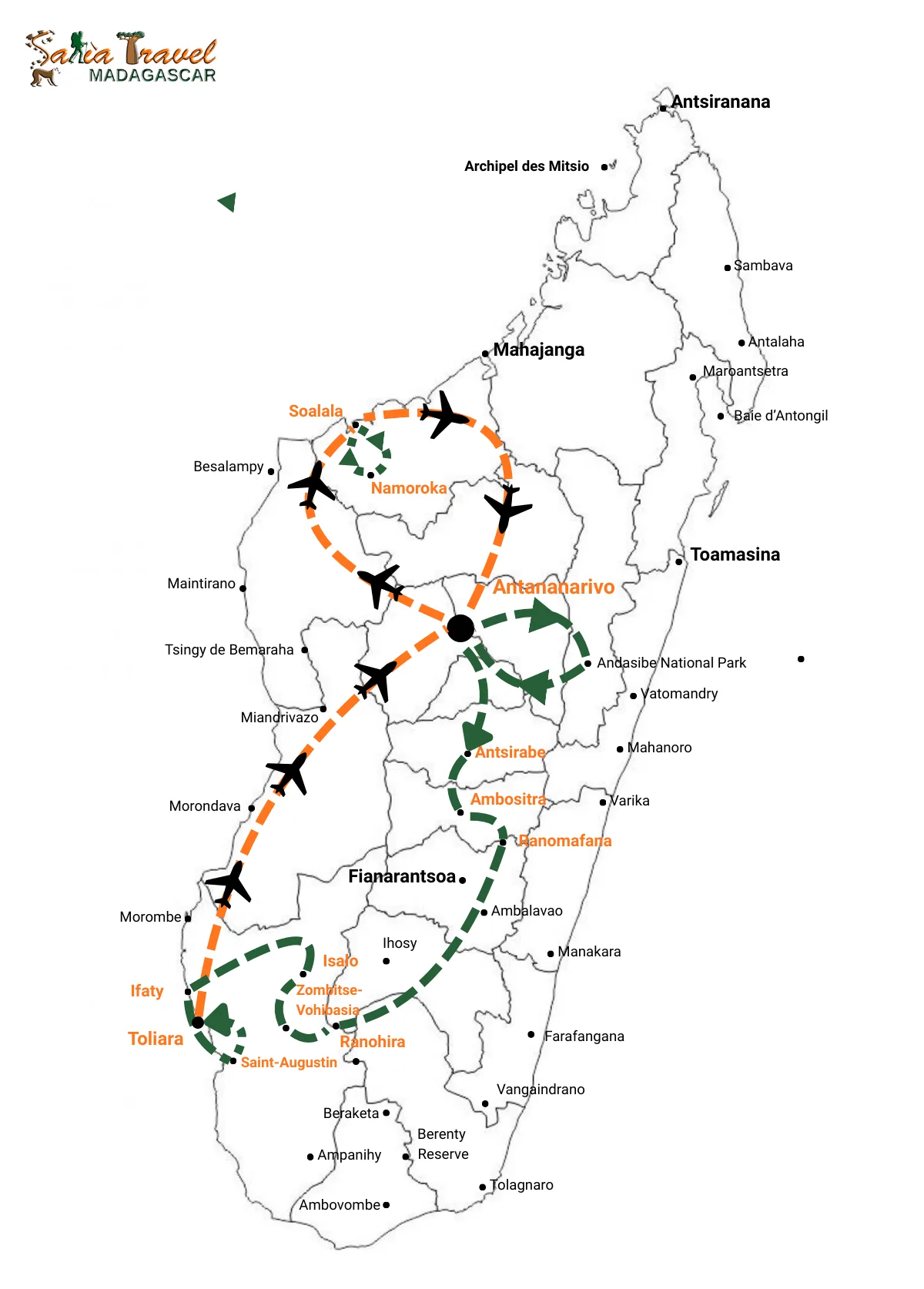
Arrival in Antananarivo, also known under the name “Tana”, the capital of Madagascar and gateway to Malagasy Avian Endemism.
Tana is not just the cultural and historical focal point of Madagascar; it is your essential gateway for an unforgettable birdwatching tour. The capital city itself offers unique opportunities right upon arrival, particularly for observing endemic waterbird species at Tsarasaotra Park where a lot of bird species can be found.
Lodging at RELAIS DES PLATEAUX.
After taking breakfast, you will be getting ready to leave Tana and move to Andasibe, with a short stop at the Mangoro River, looking for the rock-loving Madagascar Pranticole.
Actually, Andasibe is known as ‹‹ The paradise of Indri-Indri ›› who is the largest lemur on the site. But it is also one of the key location for serious birding, especially for species comfortable closer to the forest edge and lower-level canopy.
There are two protected areas in Andasibe – Mantadia National Park and Analamazaotra National Park, which are famous for its high level of endemism, particularly within its rainforest. For bird enthusiasts, the park is a first destination, hosting over 100 bird species with more than half being endemic to Madagascar. The dense, high-canopy forest, particularly in Mantadia, is the ideal place to seek out members of the endemic bird families. Key sightings include various species of Ground Rollers, such as the Scaly and Pitta-like Ground Rollers and several species of Vangas, which exhibit remarkable ecological diversity. Other notable endemics include the MadagascarIbis, and different types of Couas. A part from birds, those two protected areas are offering different habitats and target species for lemurs, amphibians, reptiles, and insects which all play an important role in the ecosystem. Additionally, six diurnal lemurs occur in the protected area: Indri Indri (the largest lemur), Diademed Sifaka, Black-and-white Ruffed, Common Brown, Red-bellied and Eastern Grey Bamboo Lemurs. And there is a possibility to spot some of those species throughout your visit.
Lodging at VAKONA FOREST LODGE
After breakfast, you will leave the hotel and take the road to Andasibe National Park. During your visit (around 4 hours and more), you should see Pitta-like, Rufus-headed, Scaly and Short-legged Ground Rollers as well as the secretive Red-breasted and Red-fronted Couas. In the understory you may find Blue Coua, Dark Newtonia, Velvet Asity, Spectacled Greenbul and Nelicourvi Weaver. Madagascar Blue Pigeon, Common Newtonia, Wedge-tailed Jery, Red-tailed, Blue, White-headed, Chabert’s, Nuthatch and sometimes Pollen’s Vanga and Ashy Cuckoo shrike prefer the forest canopy. An isolated lake within the park holds Madagascar Grebe and occasionally Meller’s Duck. A visit to Torotorofotsy marsh in the south-west of Andasibe gives an opportunity of seeing Madagascar Rail and sometimes Madagascar and Slender-billed Flufftail. Andasibe is the best place to watch endemic Madagascar Long-eared and Madagascar Scops Owls and Collared Nightjar. Even though Andasibe is a paradise of lemurs, particulary the Indri-Indri, you will come across lemurs that will catch your eyes.
After lunch, possibility of visiting the village before the night walk along the National Park. During your night walk, you might see Goodman’s Mouse Lemur, the smallest primate in the world, and with luck, Furry-eared Dwarf Lemur and Mossy Leaf-tailed Gecko.
Coming back to your hotel after the night walk to enjoy your last stay in Andasibe.
Lodging at VAKONA FOREST LODGE
After breakfast, you will take the road back to Tana with a short visit of Tsarasaotra Park for discovering many others waterbirds on site. It is the first and great place to spot birds, located at Alarobia Tsarasaotra Lake which has Madagascar Pond Heron, Great and Dimorphic Egrets and Green-backed Herons. Large numbers of wildfowl occur and include White-faced and Fulvous Whistling Ducks, Red-billed and Hottentots’ Teal and Knob-billed Duck. In the reeds you may locate Malachite Kingfisher and singing Madagascar Swamp Warblers. Tall trees around the lake attract Madagascar Kestrel, Frances’s Sparrow hawk, Madagascar Wagtail, Madagascar White eye, Madagascar Fody and Madagascar Manikin.
Overnight at RELAIS DES PLATEAUX after the visit.
On this day, you begin your journey to the southern part of the island, with your first stop in Antsirabe. Often called the "City of Water", Antsirabe is a highly unique destination in the central highlands of Madagascar. The city sits on a volcanic plateau and is renowned for its natural thermal springs and curative mineral water, leading to its nickname. Apart from that, is famous as the "rickshaw capital" of Madagascar, with thousands of pousse-pousse pulled by people on foot and cyclo-pousse used for transport. The city is a hub for Malagasy craftsmanship, particularly in the creation of unique, small-scale items. This is a great place where you can explore Miniature Workshops, Semi-Precious Stone Cutting Workshops, Zebu Horn Workshops, and many others.
Lodging at COULEUR CAFÉ
On this day, you will take the road to Ranomafana (7h) where you will be staying for three nights. Ranomafana is famous for its exceptional biodiversity within a large area of dense humid tropical and sub-humid rainforest, which is becoming increasingly rare. Its name, "Ranomafana," which literally translates to "hot water" in Malagasy, hints at the natural hot thermal springs located near the village, offering visitors a relaxing thermal bath experience in historic spa facilities. The landscape itself is rugged and beautiful, characterized by lush, hilly terrain, spectacular waterfalls, deep gorges, and the winding Namorona River, all providing stunning backdrops for trekking. The park offers numerous well-defined trails and guided walks that cater to all fitness levels, ensuring an immersive rainforest experience. Furthermore, Ranomafana hosts Centre ValBio, an internationally renowned research station, underscoring its essential role in global conservation and scientific discovery.
Ranomafana National Park is located in the southeastern region of Madagascar, stands as a vital conservation area and is recognized as a UNESCO World Heritage Site, forming a crucial part of the Rainforests of the Antsinanana. Famous for its representatives of unique Malagasy bird families, especially the highly sought-after Ground-Rollers and the colorful Vangas, this park is one of the most important birding locations in Madagascar, boasting over 120 recorded species, with approximately 30 species endemic to the park's immediate area. Its mountainous terrain, ranging from 800 to 1,200 meters in elevation, creates a variety of habitats ideal for diverse birdlife. You can potentially find Pitta-like Ground-Roller, Scaly Ground-Roller, Short-legged Ground-Roller, Rufous-headed Ground-Roller. Henst's Goshawk, Madagascar Snipe, and Meller's Duck. And Blue Coua, Red-fronted Coua, Blue Vanga, Tylas Vanga, Yellow-bellied Sunbird-Asity, Velvet Asity, Madagascar Blue-Pigeon, and Brown Mesite.
Before arriving in Ranomafana, you can explore cultural and scenic delights along the way crossing by Ambositra, known for the unique Zafimaniry art, a sophisticated style of wood carving that holds a place on UNESCO's Intangible Cultural Heritage list. It is a place where Tourists can explore workshops and acquire beautiful handcrafted souvenirs along the way.
Lodging at THERMAL HOTEL
Leave Ranomafana after an early morning visit to Vohiparara mountain forest. You might see Madagascar Yellow-browed Oxylabes, Cryptic Warbler, Rufous-headed Ground Roller, and Pollen’s Vanga.
Drive to Ranohira (366 Km/7h) where you stay overnight in a comfortable lodge.
Lodging at ISALO ROCK LODGE.
Leave the lodge for an early morning drive to Zombitse-Vohibasia Park (96 Km/2h), a remnant transitional dry deciduous forest. Zombitsy forest is home to Appert’s Greenbull which is limited in this area, Giant Coua, Lesser and Greater Vasa Parrots, Madagascar Flycatcher, Sickle billed, Hook-billed and Rufous Vangas and the diurnal Ring-tailed Lemur and Verreaux’s Sifaka. After lunch, you revisit the park for the impressive White-browed Owl.
Drive back to your hotel ISALO ROCK LODGE.
After an early breakfast, leave the hotel and take the road to Isalo National Park. This Park, located in the dry south-west of Madagascar, is famed for its "Wild West" scenery, ring-tailed lemurs, dramatic rock formations, deep canyons, natural pools, and expansive sandstone plateaus. However, it also hosts over 80 bird species, with about 70% being endemic to Madagascar, making it an essential stop for birders seeking species adapted to its unique rocky and savanna environment. The one of the most important reason for birders to visit Isalo is the localized and endemic Benson's Rock-Thrush and Benson’s Myna. As Isalo's dry habitat, this one provides a home for several other birds that are difficult to find elsewhere such as Madagascar Sandgrouse, Madagascar Partridge, Madagascar Coucals, Running Coua, Red-capped Coua. But there is also an opportunity of watching Sooty and Peregrine Falcons, Madagascar Harrier-Hawk and Madagascar Buzzard.
After lunch you leave Isalo and move to Ifaty (268 Km/5h30) where a night walk is planned for Torotoraka Scops Owl, Madagascar Nightjar, and with luck, Grey Brown Mouse Lemur.
Lodging at LE PARADISIER
Actually, Ifaty is more than just a charming fishing village with stunning beaches. It is one of the most important birdwatching hotspots in the country, thanks to its proximity to the unique spiny forest ecosystem – a habitat found nowhere else on Earth. Birders are drawn to Ifaty for the chance to observe rare and highly endemic dry-zone species, including The Long-tailed Ground Roller, a ground-dwelling bird found only in this region, The Subdesert Mesite, one of Madagascar’s most elusive endemics, and The Running Coua, Archbold’s Newtonia, and Green-capped Coua.
Accompanied by local guides with sharp eyes and deep knowledge of the area, visitors explore the spiny forest at sunrise, when bird activity is at its peak. The twisted Didiereaceae trees and baobabs offer an exotic landscape that perfectly complements the thrill of spotting Madagascar’s avian treasures.
This morning is dedicated to visit Reniala Private Reserve, located near the coastal village of Ifaty. This one is a small reserve but exceptional protected area, especially renowned among birdwatchers and botanists. The reserve is a key destination to observe The Long-tailed Ground Roller; one of the country’s most sought-after and localized birds, the Subdesert Mesite, the Running Coua, Green-capped Coua, and Archbold's Newtonia, among many others.
Besides birdlife, the reserve is home to towering baobabs, endemic reptiles, and the spiny-adapted flora that defines this surreal, otherworldly landscape.
After the visit, you will be transferred to Tulear (25 Km/1h), where you will spend the night.
Lodging at BAKUBA LODGE
After an early breakfast, Saint Augustin is already waiting for you for being visited. This peaceful and remote destination offers a unique combination of riverine, mangrove, and coastal habitats of many bird’s species. The surrounding wetlands, cliffs, estuary, and dry scrubland support a range of bird species such as: Madagascar Sacred Ibis, Greater Flamingo, Herons, Egrets, and Waders, Madagascar Kestrel and Madagascar Harrier-Hawk, and various shorebirds and terns along the beaches and sandbanks.
After the visit, get ready to fly back to Tana by Domestic flight and lodging at your hotel.
Lodging at RELAIS DES PLATEAUX.
On this day, you will take a charter flight and head to the northwestern part of the Island, precisely to Soalala, from where you’ll drive for 2h30 til Namoroka. Including the Namoroka Natural Park, a hidden gem of Biodiversity and Geology, this site is a magical place about fifty kilometers from Soalala. The park is renowned for its dramatic Tsingy formations—limestone pinnacles sculpted by erosion over millennia. These razor-sharp karst landscapes form natural labyrinths, canyons, and caves that create a surreal atmosphere for exploration. It is home to 11 species of lemurs, including the Decken’s sifaka, Red-fronted brown lemur, and nocturnal species like the Grey mouse lemur, Reptiles and amphibians such as chameleons, geckos, and frogs, many of which are endemic. And rich flora, including baobabs and medicinal plants used by local communities. Wherever you go in the Namoroka Natural Park, you will enjoy the rich biodiversity of the region. The lemurs will always keep you companies. You will also have the opportunity to photograph the most beautiful specimens of baobabs. Namoroka is also offering both forest and open-area species. Birders may encounter Madagascar Fish Eagle, Sickle-billed Vanga, White-breasted Mesite, Crested Coua, Madagascar Green Pigeon, and any others. For visitors who enjoy more active experiences, caving, hiking, and Tsingy trekking are major highlights. As well as, it is close to communities that practice traditional lifestyles. Engaging with locals offers insight into the Malagasy way of life and the importance of conservation in maintaining both natural and cultural heritage.
During your stay in Namoroka Tsingy Camp, you will benefit all of those exploration with its hidden beauty and tranquil atmosphere make it a destination worth the journey.
Lodging at NAMOROKA TSINGY CAMP.
After breakfast, you will leave Namoroka and drive back to Soalala, to take your Scheduled Charter flight to Tana for your last stay in our beautiful Island.
Once in Tana, there is a possibility to end your journey with a short Citytour with us. This is a great moment to find the Capital and the central people lifestyle. With its mix of colonial architecture, traditional Malagasy houses, vibrant markets, and historical sites, Antananarivo offers visitors a fascinating glimpse into both the past and the present of Madagascar. From the Queen's Palace (Rova) overlooking the city to bustling streets filled with local crafts and flavors, Tana is often the first and last stop for travelers exploring the island.
Lodging at RELAIS DES PLATEAUX.
This is the time when you should say see you soon to our Island and you have to depart for flying to home on your scheduled international flight.
END OF SERVICES.
Birdwatching tour Maps